In this post
- Which transit card should you use on the Seoul subway?
- How to ride the Seoul subway, from buying a ticket to exiting
- Seoul subway fares and transfer discounts: How much time do you have?
- Short-term Climate Card prices and where to buy one: Can you use it at the airport?
- What to do if you have a problem on the Seoul subway
 Glad you're hereLet's explore Korea together
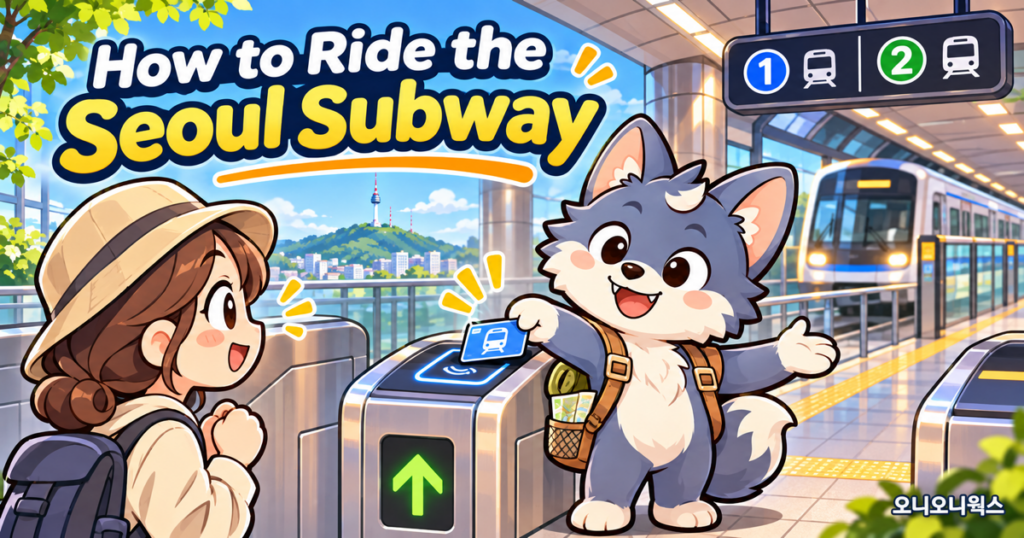
Just arrived in Seoul (서울) and wondering where and how to buy a subway ticket?
To enter the Seoul subway, tap your transit card on the fare gate reader. Tap it again when you exit. The adult fare for up to 10km is 1,550 won.
I’ll walk you through choosing a transit card, buying a ticket, and understanding fares and transfers.
At a glance
Fare — For adults traveling up to 10km: 1,550 won with a transit card or 1,650 won with a single-journey card
Where to buy a ticket — Transit card vending machines inside stations. New machines on Lines 1–8 also accept foreign-issued cards
Transfers — Board your next ride within 30 minutes after exiting, and you pay according to the distance traveled. From 9 p.m. to 7 a.m., you have 60 minutes
For frequent rides — Short-term Climate Card passes start at 5,000 won for one day
Remember — Tap your card when you exit, too
Which transit card should you use on the Seoul subway?
If you’re riding once or twice, choose a single-journey card. If you’ll use both the subway and buses for several days, a rechargeable transit card is a good fit. If you’ll ride several times a day, a short-term Climate Card pass is a better choice.
Here’s how the three compare.
| Single-journey card | Tmoney (rechargeable) | Short-term Climate Card pass | |
|---|---|---|---|
| For one ride | 1,650 won + a 500-won deposit | 1,550 won | Unlimited rides during the pass period |
| What you pay | Each time you ride | The amount you load | 5,000 won for one day to 20,000 won for seven days, plus 3,000 won for the card |
| Buses | No | Yes | Seoul city and village buses |
| Transfer discounts | Between subway lines only | Yes | Not needed separately |
| Help | Station staff | 1644-0088 | 1644-0088 · 02-120 |
Single-journey card — for one or two rides
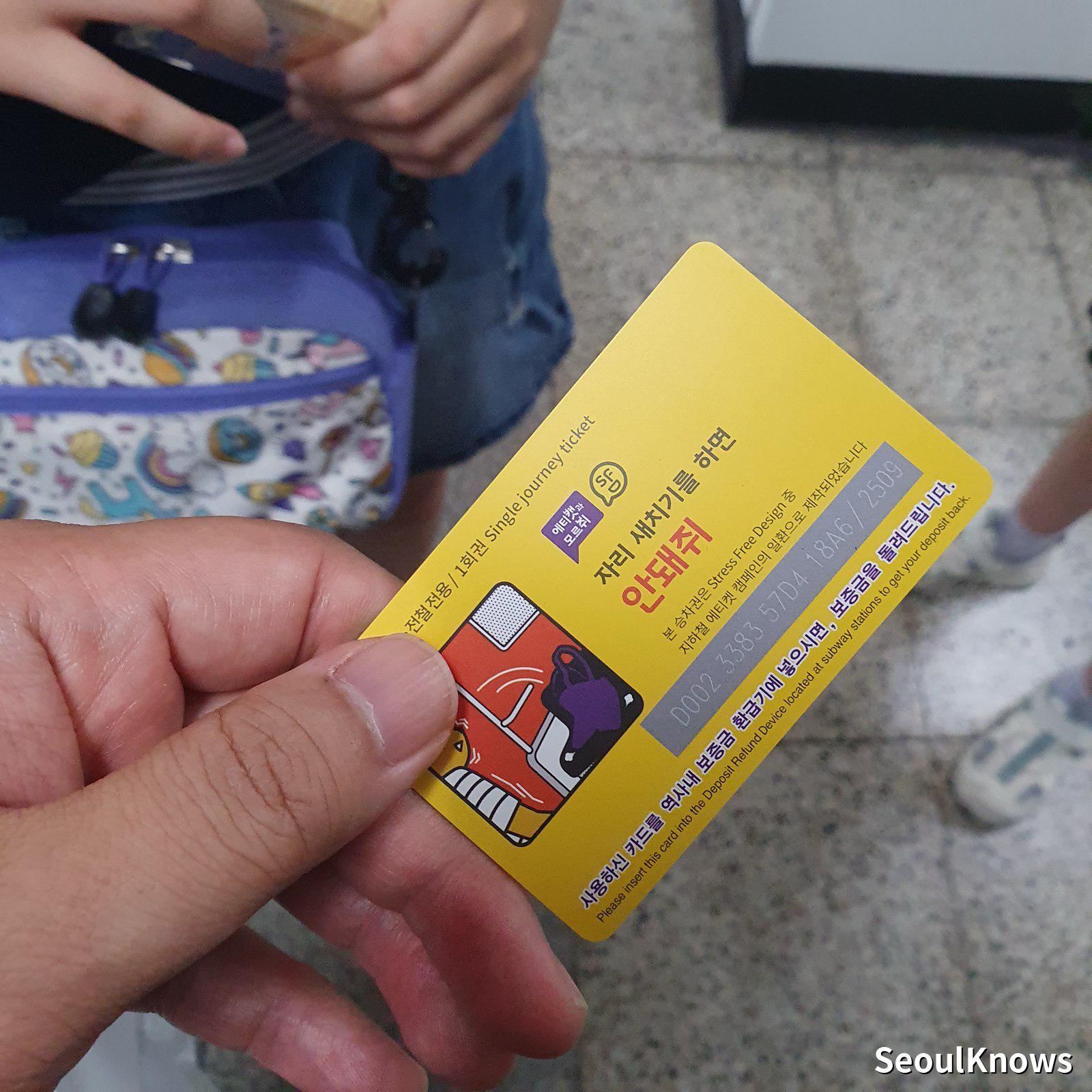
A single-journey card is for one trip. It includes a 500-won deposit, which you get back after your ride.
You can use this card only on the subway. You can’t use it on buses.
Tmoney — for subway and bus rides over several days
Tmoney is a transit card you load with money before using it. When the balance runs out, you can add more.
You can use the same card on the subway and buses. You also get a discount when transferring between them.
You can add money with a foreign-issued card in the mobile Tmoney app on your phone. It accepts Mastercard, American Express, and UnionPay, but not Visa. The Mobile Korea Tour Card app for international visitors also accepts foreign-issued cards for top-ups.
For the price of a physical Tmoney card, where to buy one, and how to get your remaining balance back before leaving Korea, ask Tmoney Customer Service at 1644-0088.
Short-term Climate Card pass — for several rides a day
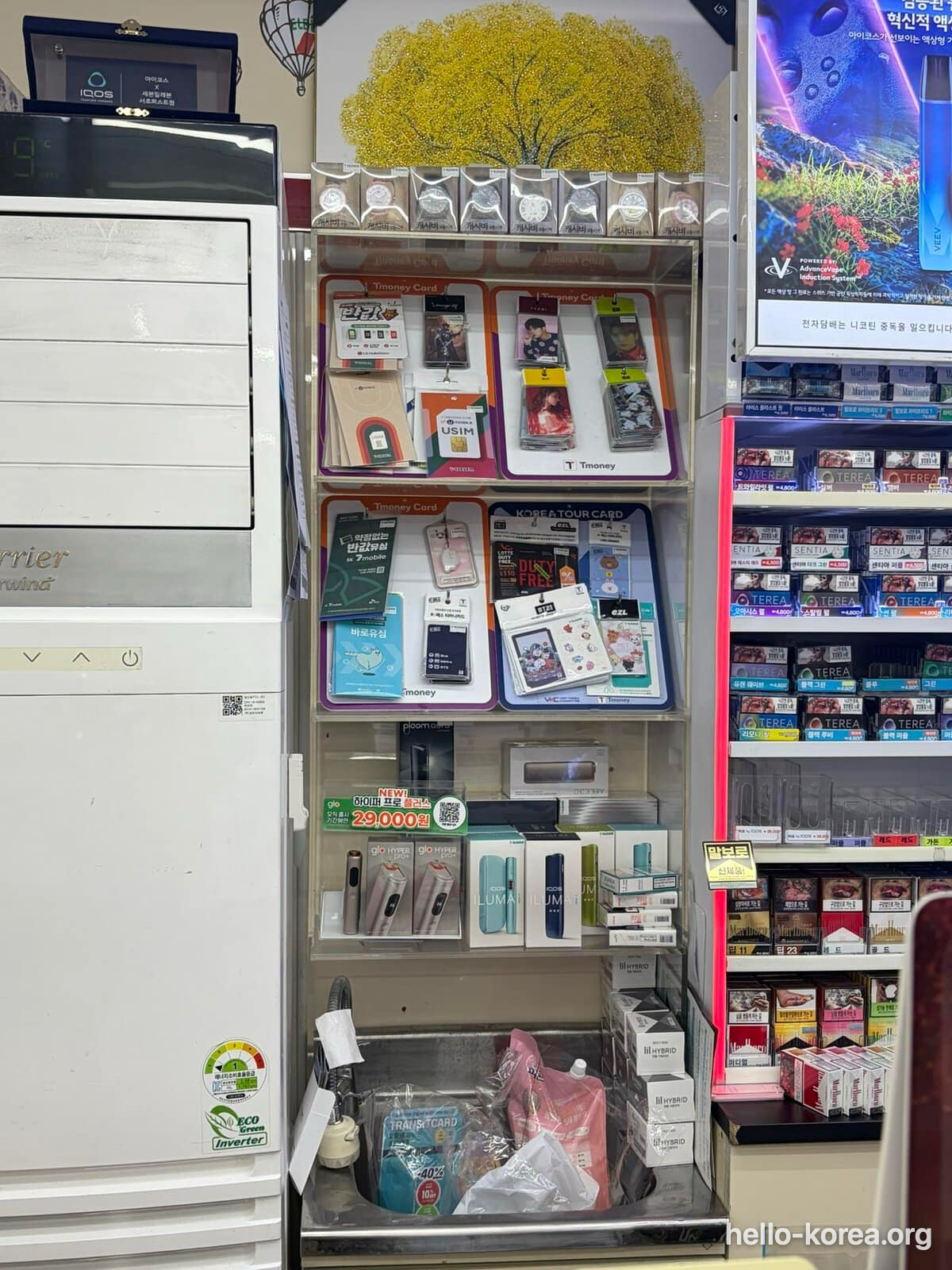
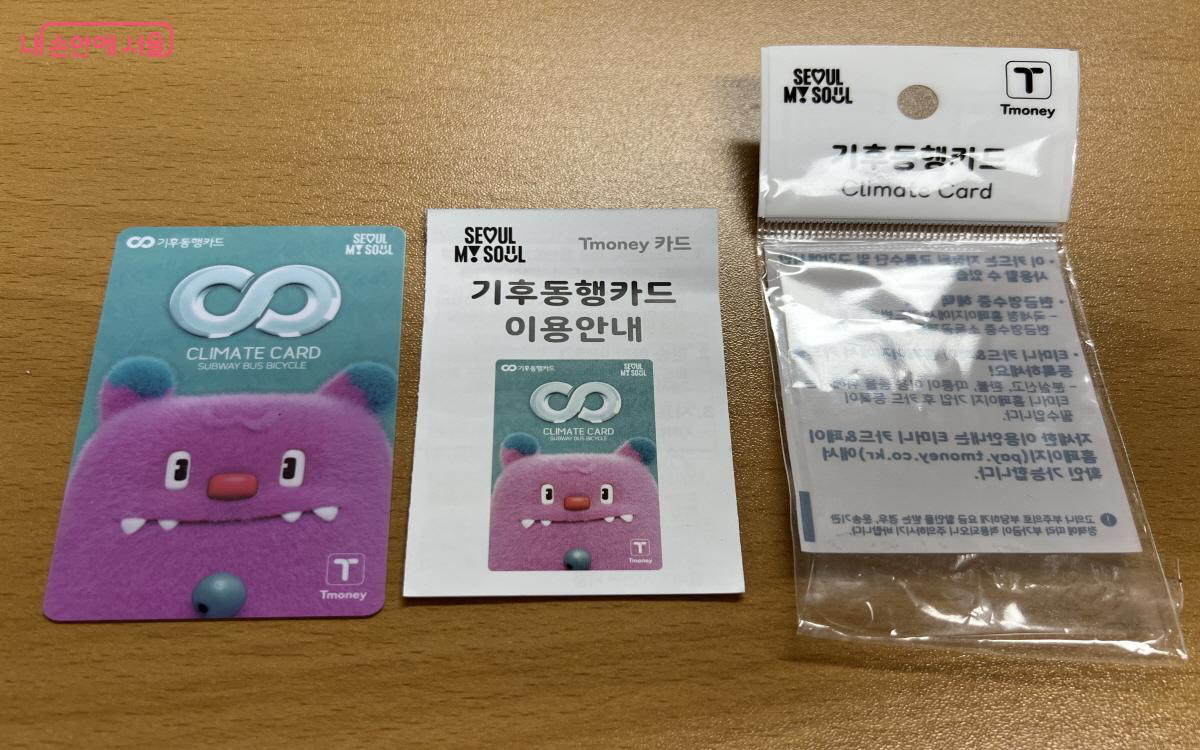
The Climate Card (기후동행카드) is a transit card created by the Seoul Metropolitan Government. It gives you unlimited rides on the Seoul subway and Seoul buses for a set period.
Short-term passes for travelers are available for one, two, three, five, or seven days. The monthly 30-day pass has ended. Short-term passes are still available.
I’d buy a short-term pass if I were staying in Seoul for more than three days. A three-day pass costs 10,000 won, plus 3,000 won for the card, for a total of 13,000 won. Three subway rides a day for three days, each within 10km, would cost 13,950 won. So the short-term pass costs less.
Read next — How to Apply for K-ETA: 2026 Exempt Countries, Fees and Processing Time
How to ride the Seoul subway, from buying a ticket to exiting
First, decide which station you’re going to and buy a ticket. Tap your card at the fare gate and board. Tap your card once more when you exit, and you’re done. If you have a single-journey card, get your deposit back at the end.
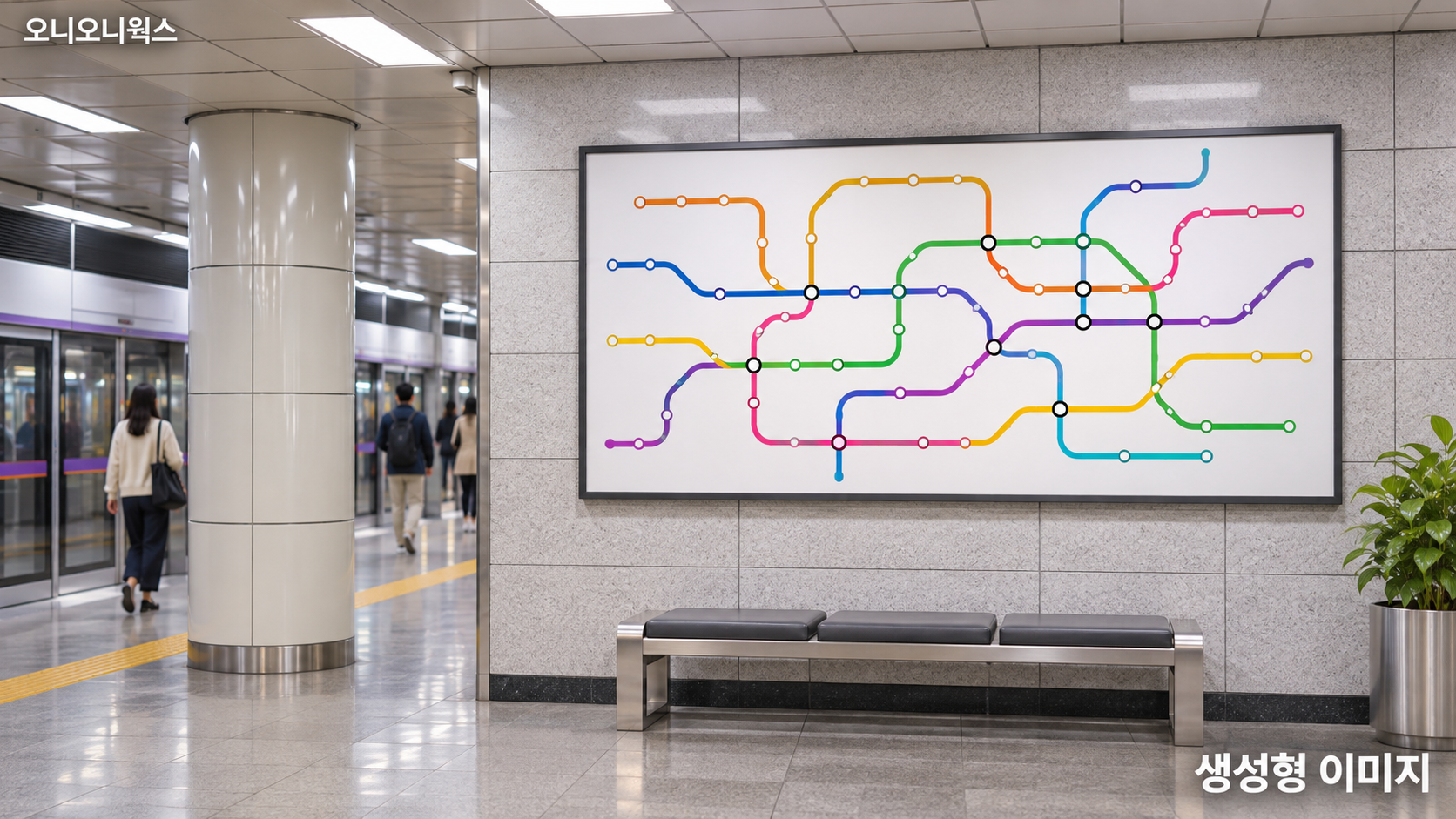
First, check your line and transfer station
Some Seoul subway lines are known by numbers, such as Lines 1–8. Others have names, such as the Airport Railroad (공항철도), Shinbundang Line (신분당선), and Gyeongui–Jungang Line (경의중앙선).
Before you leave, enter the Korean names of your departure and destination stations into a map app such as Naver Map or KakaoMap. Check your line and transfer station in advance. That makes it easier to find your way inside the station.
On the platform, check the name of the last station in the direction your train is going before you board.
Next, buy a ticket at a transit card vending machine
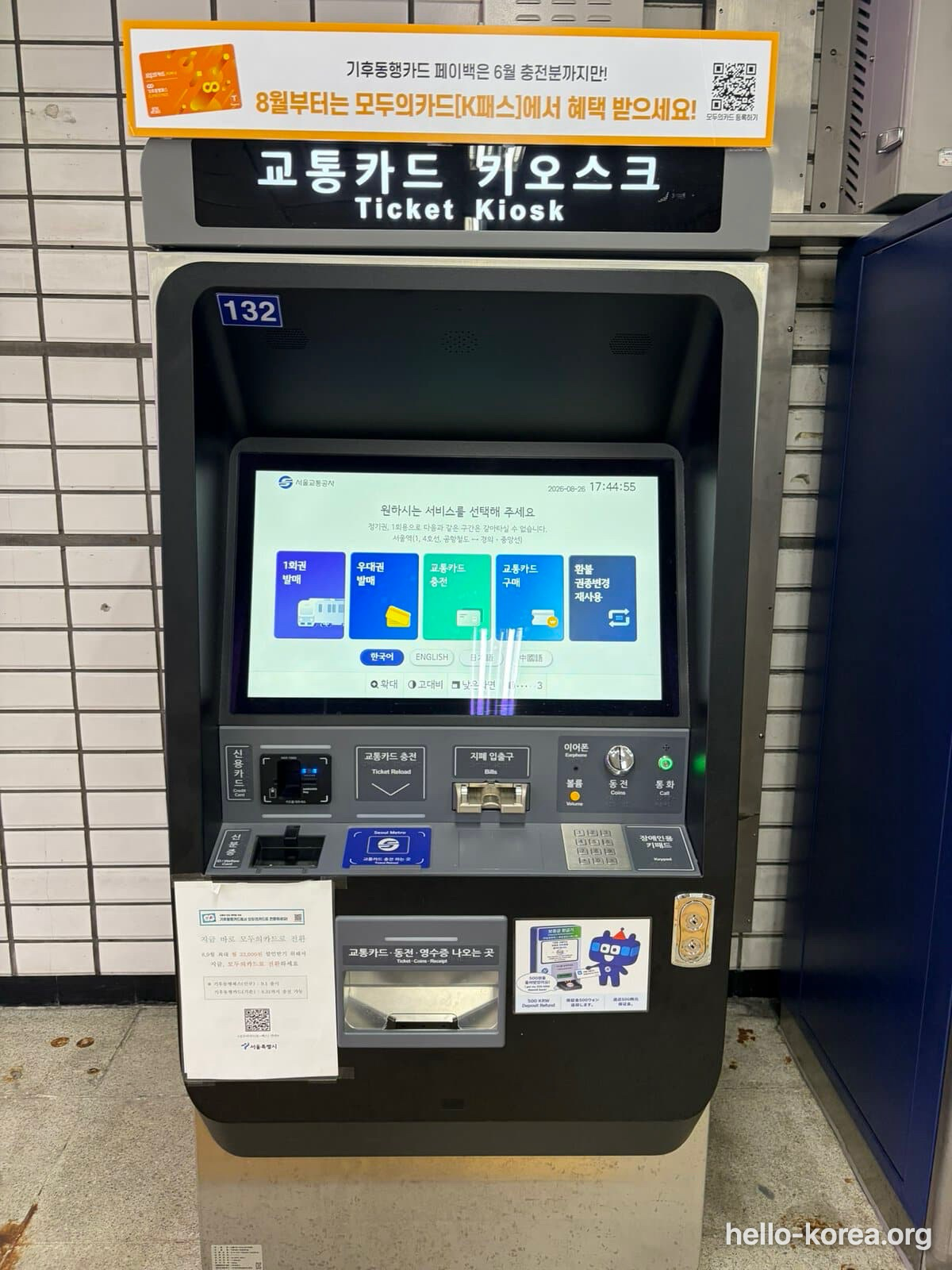
Buy a single-journey card at a transit card vending and reload machine inside the station. Select your destination station on the screen. Pay the fare plus a 500-won deposit.
For a trip within 10km, you’ll initially pay 2,150 won. You’ll get 500 won back after your ride.
Since March 17, 2026, you can also buy a single-journey ticket with a foreign-issued credit or debit card at the new transit card vending machines in 273 stations on Lines 1–8. They also accept mobile payment services such as Kakao Pay and Naver Pay. An average service fee of 3.7% applies when paying with a foreign-issued card.
Tap your card at the fare gate to enter
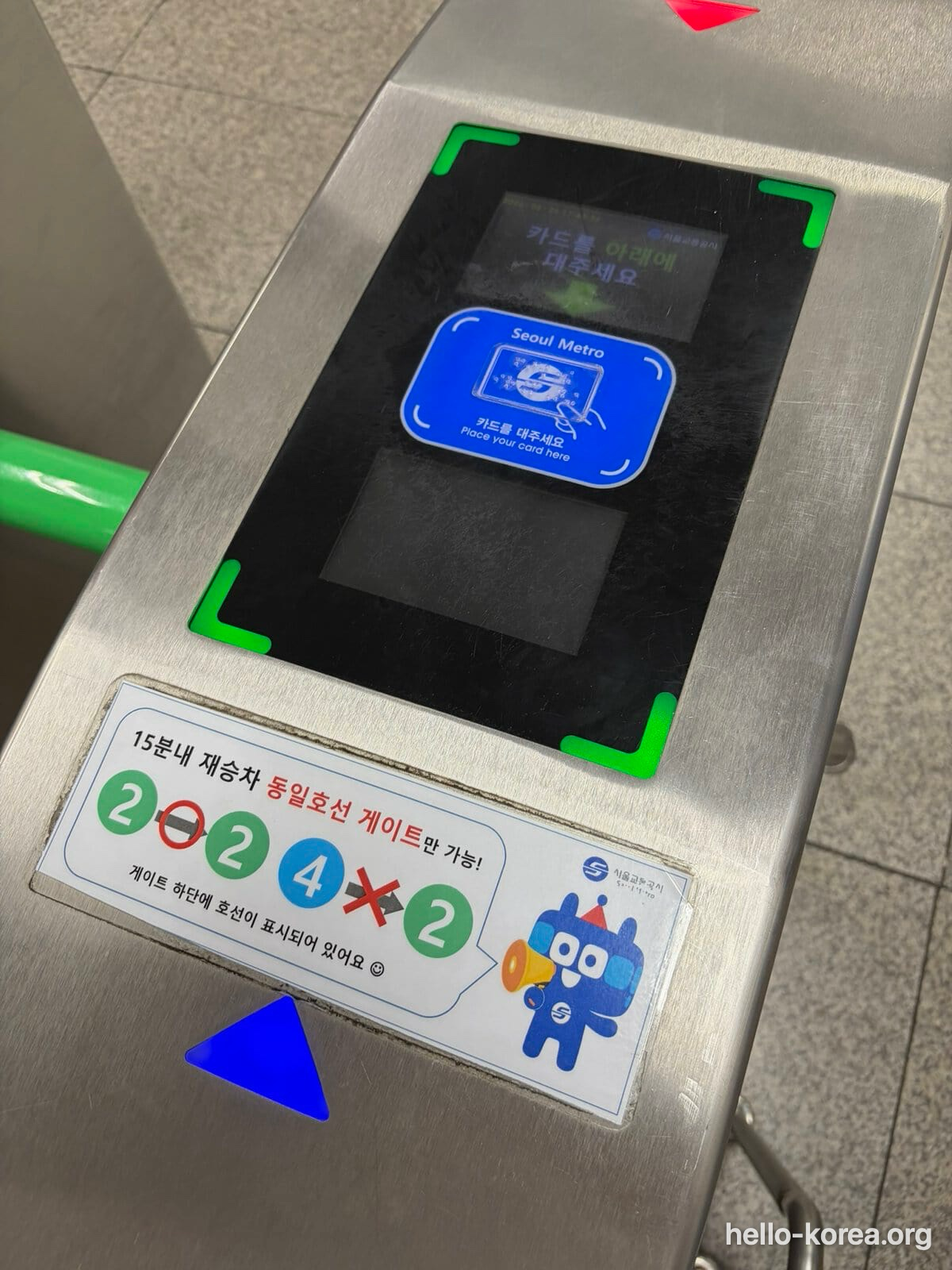
At the fare gate, tap your card on the reader to your right. When the gate opens, walk through.
Transfer between subway lines inside the fare gates
When changing from one subway line to another, don’t leave through the fare gates. If you transfer inside the gates, it counts as one trip. You pay according to the distance traveled.
However, you can’t use a single-journey card to transfer at Seoul Station (서울역) between Lines 1, 4, or the Airport Railroad and the Gyeongui–Jungang Line.
Finally, tap out and collect your deposit
At your destination, tap your card on the reader at the fare gate. If you don’t tap out, you won’t get a transfer discount.
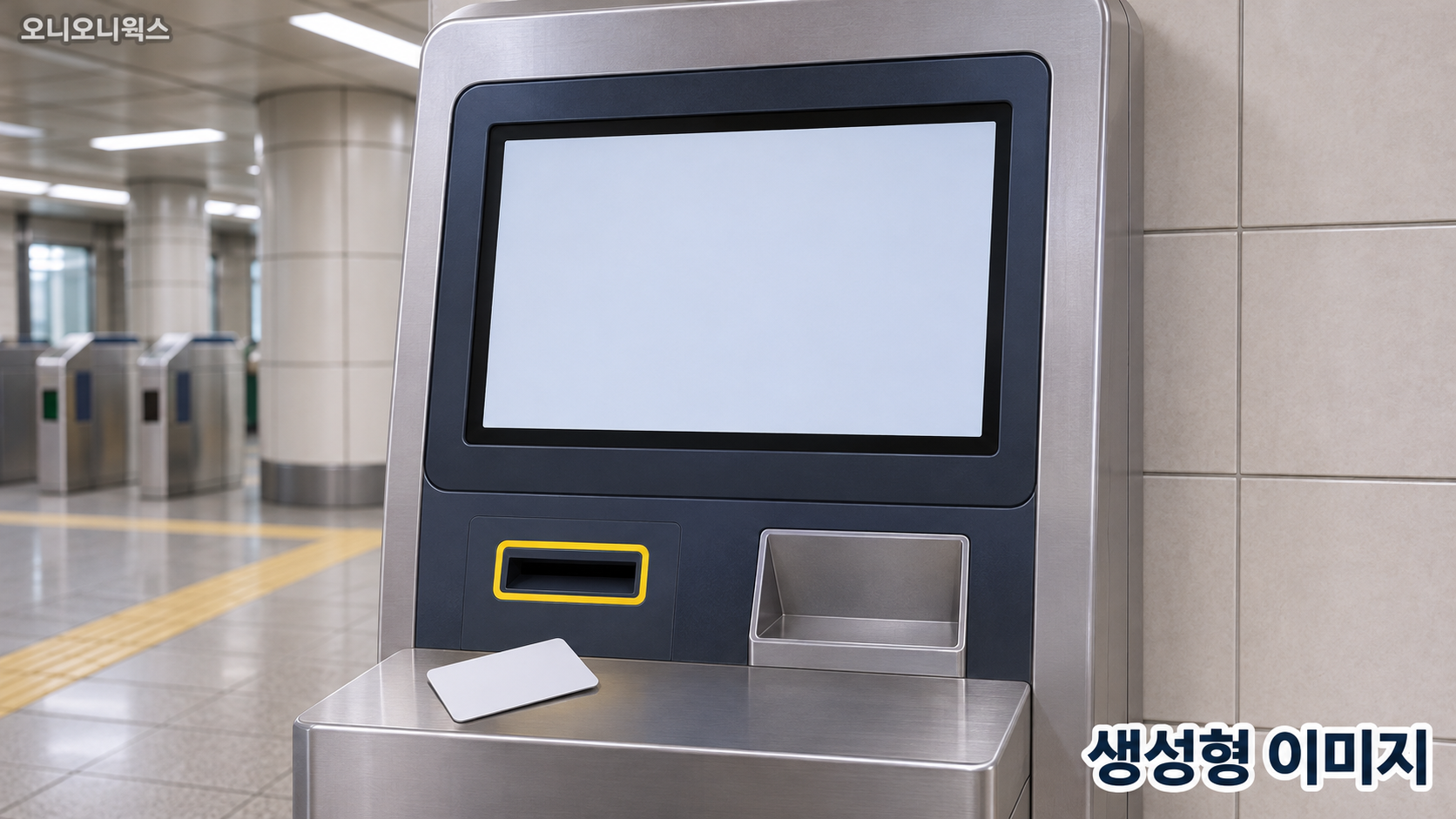
Put your single-journey card into a deposit refund machine inside the station to get your 500 won back. You can get the deposit back regardless of the date, as long as the card hasn’t been lost or damaged.
Oni’s tip
If you’ll ride the subway several times in one day, a rechargeable transit card is a better choice than a single-journey card. You’ll pay 100 won less per ride. You also won’t need to get your deposit back each time.
Seoul subway fares and transfer discounts: How much time do you have?
Seoul subway fares depend on the distance traveled. For adults, the fare is 1,550 won with a transit card for up to 10km.
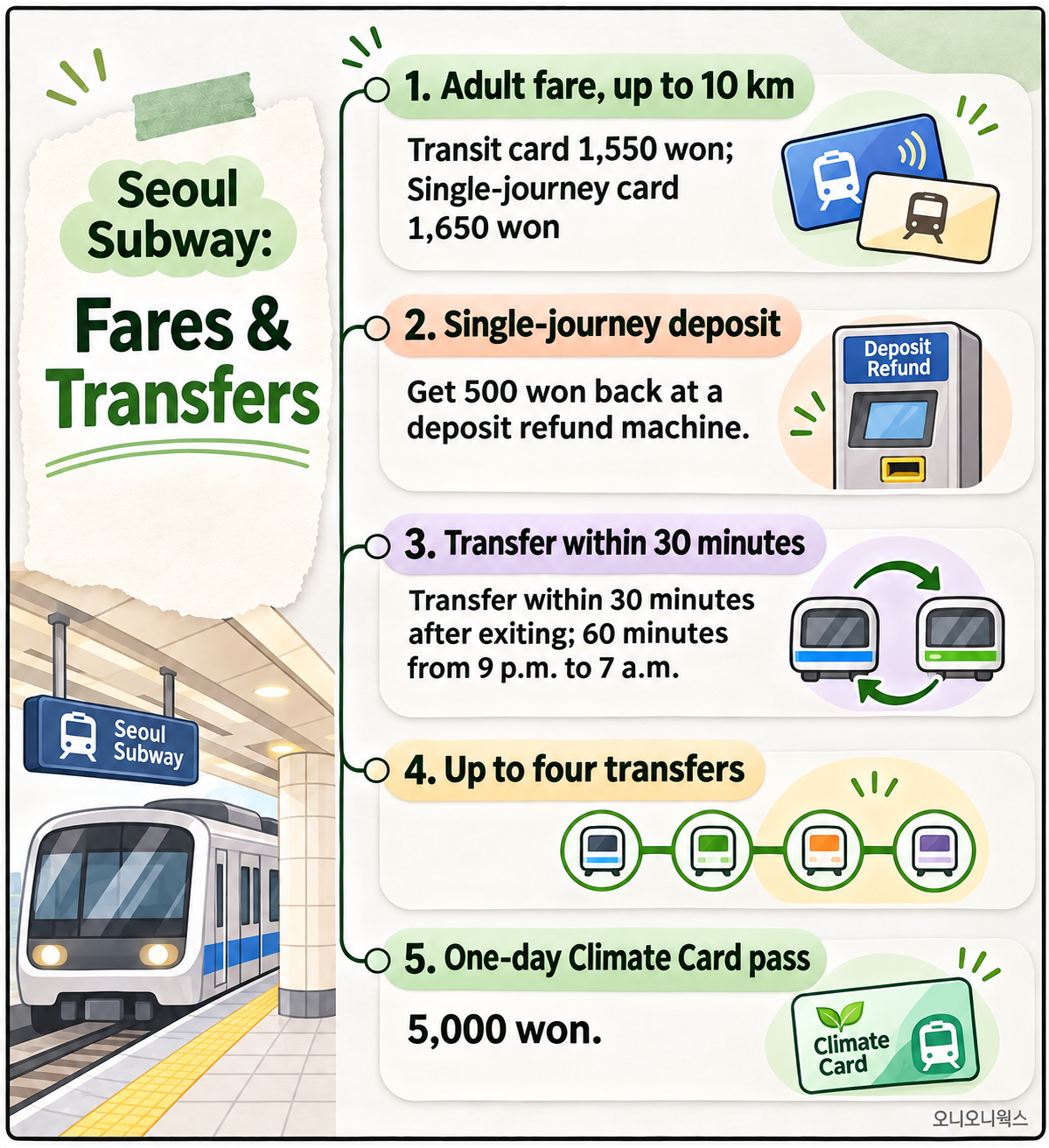
You’ll get a transfer discount if you board your next subway or bus within 30 minutes after exiting. From 9 p.m. to 7 a.m. the next day, you have 60 minutes.
Adult fares by distance
From 10km to 50km, 100 won is added for every 5km. Beyond 50km, 100 won is added for every 8km.
A single-journey card costs 100 won more than the transit card fare. These fares have been in effect since June 28, 2025.
| Distance traveled | Transit card | Single-journey card |
|---|---|---|
| Up to 10km | 1,550 won | 1,650 won |
| 15km | 1,650 won | 1,750 won |
| 20km | 1,750 won | 1,850 won |
| 30km | 1,950 won | 2,050 won |
| 40km | 2,150 won | 2,250 won |
| 50km | 2,350 won | 2,450 won |
Base fares by age
| Passenger | Transit card base fare |
|---|---|
| Adults | 1,550 won |
| Teenagers ages 13–18 | 900 won |
| Children ages 6–12 | 550 won |
| Under age 6 | Free |
For teenagers, 80 won is added for every 5km beyond 10km. For children, 50 won is added for every 5km.
Teenagers who buy a single-journey card pay the adult single-journey fare. For children, the single-journey fare is the same as the transit card fare.
One accompanying adult can bring up to three children under age 6 for free. The child fare applies from the fourth child onward.
A 20% discount for early morning rides
If you enter with a transit card from the first train until before 6:30 a.m., you get 20% off the base fare. For adults, that’s 1,240 won.
The discount doesn’t apply if you transfer in from another form of transportation.
Transfer discount rules
Even when you transfer between the subway and buses, you pay only the base fare for the first 10km of your combined journey. Beyond 10km, 100 won is added for every 5km. If you use buses with different base fares, you pay the higher base fare.
- Board your next ride within 30 minutes after exiting. From 9 p.m. to 7 a.m. the next day, you have 60 minutes.
- The transfer window is determined by when you board your next ride. If you board before 7 a.m., the 60-minute window applies.
- The discount covers up to four transfers, for a total of five rides.
- Each person must use their own card. Multiple people can’t get the subway transfer discount with one card.
- The discount doesn’t apply if you take the same route again.
- You must tap your card both when you board and when you exit.
Oni’s tip
You’ll have more time when transferring from the subway to a bus in the evening. From 9 p.m. to 7 a.m., you’ll get the discount as long as you board your next ride within 60 minutes after exiting.
 WelcomeLet's explore Korea together
Short-term Climate Card prices and where to buy one: Can you use it at the airport?
Short-term passes range from 5,000 won for one day to 20,000 won for seven days. The physical card costs an extra 3,000 won.
You can buy one at the new transit card vending machines inside stations on Lines 1–8. You can use it to exit at Incheon International Airport Terminal 1 or Terminal 2 stations, but you can’t use it to board at those stations.
Short-term pass prices
| Short-term pass | Price |
|---|---|
| One day | 5,000 won |
| Two days | 8,000 won |
| Three days | 10,000 won |
| Five days | 15,000 won |
| Seven days | 20,000 won |
| Seven days for teenagers | 13,000 won |
Let’s compare separate subway rides, each within 10km. A one-day pass costs less than a transit card starting with your fourth ride that day. If you include the 3,000-won card price, you’ll need six rides in a day for the one-day pass to cost less.
Where to buy and reload it
- Buy a physical card at a new transit card vending machine inside a Line 1–8 station.
- If you use Line 9, the Ui–Sinseol Line (우이신설선), or the Sillim Line (신림선), buy one at a convenience store near a station.
- Reload it at a self-service reload machine inside a station. The machines accept cash, credit cards, and debit cards.
- At the new machines on Lines 1–8, you can also buy and reload the card with a foreign-issued card. An average service fee of 3.7% applies.
- On an Android phone running OS 12 or later, you can use the Climate Card through the mobile Tmoney app or Samsung Wallet. If you use an iPhone, buy a physical card.
International visitors can buy one in the same way as Korean residents. You can’t buy or use it outside Korea.
The day you load it is the first day
A short-term pass starts on the day you load it. You can’t load it ahead of time and start using it later.
You can use it until the last train on the final day. For example, if you load a one-day pass on July 1, you can use it until the last train on July 1.
Where you can and can’t use it
You can use a short-term Climate Card pass on subway services within Seoul and on Seoul city and village buses. You can also ride late-night and circular buses.
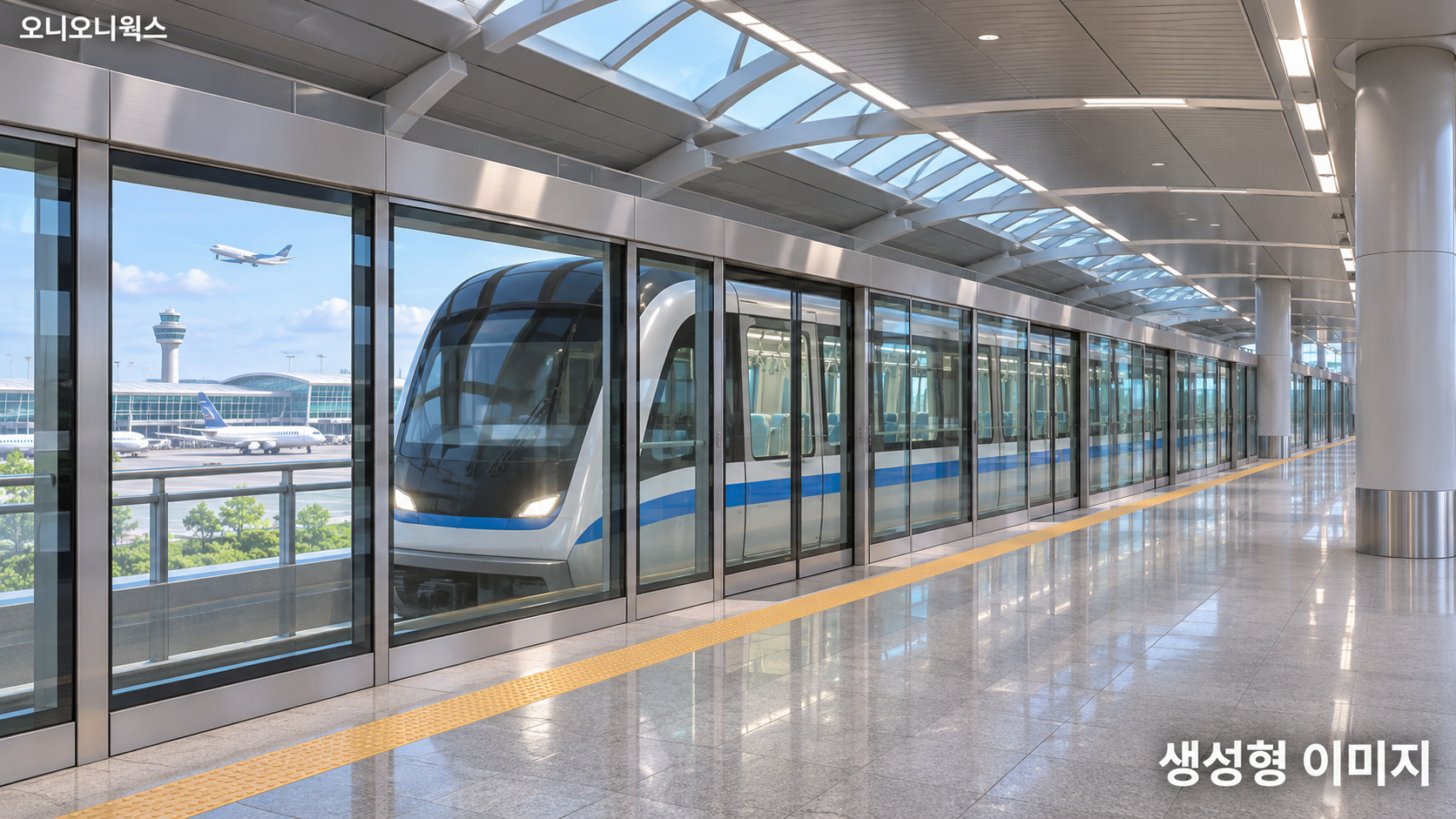
On the Airport Railroad, you can use it only when boarding at a station in Seoul and exiting at Incheon International Airport Terminal 1 Station (인천공항1터미널역) or Incheon International Airport Terminal 2 Station (인천공항2터미널역). You can’t use the short-term pass to board at the airport when traveling to Seoul.
You can’t use it on the following:
- The Shinbundang Line and GTX
- Subway services outside Seoul. If you exit at a station outside Seoul, you’ll pay a separate fare for that section
- Metropolitan express buses, airport buses, and buses from other regions
- Taxis, Ttareungi (따릉이, Seoul’s public bicycles), and the Hangang Bus (한강버스)
Getting a refund
You must register your physical card on the Tmoney Card & Pay website to receive a refund.
Your refund is the amount you loaded, minus the amount used and a 500-won fee. You must request the refund during the pass’s validity period. Refunds aren’t available after the period ends.
International visitors without a Korean bank account can visit Tmoney headquarters to receive a cash refund.
Oni’s tip
I’d choose a pass length that lasts through the day I leave for the airport. You can use the short-term pass to board the Airport Railroad at a station in Seoul and exit at Incheon International Airport (인천국제공항).
Read next — How to Get from Incheon Airport to Seoul: AREX, Airport Bus, and Taxi Costs and Travel Times
What to do if you have a problem on the Seoul subway
If something goes wrong, ask station staff first. Here are some common problems travelers run into.
You chose the wrong destination for your single-journey card
Use a fare adjustment and reload machine inside the station, or ask station staff for help.
You didn’t tap your card when exiting
Starting with the first train on March 7, 2026, if you don’t tap out, you’ll pay the base fare once more the next time you ride. For adults, that’s 1,550 won.
This rule applies to rechargeable transit cards and the transit function on credit cards. It doesn’t apply to single-journey cards or short-term Climate Card passes.
You spent a long time inside the fare gates
If more than five hours pass after you enter the subway, you’ll pay the base fare again when you exit.
You lost your single-journey card
If you lose or damage the card through your own fault, you won’t get the 500-won deposit back.
You can also put a used single-journey card in a donation box inside the station. The remaining balance and deposit are donated to Community Chest of Korea, Seoul (서울사회복지공동모금회).
First and last train times
First and last train times vary by line and station. If you’ll be traveling late at night, check the station timetable on the Seoul Metro (서울교통공사) website beforehand.
Where to get help
- Transit card reloads, refunds, and errors: Tmoney Customer Service, 1644-0088
- Climate Card program: Dasan Call Center, 02-120
- Fare information: Seoul Metro website in English, Chinese, and Japanese
With a transit card, even first-time visitors can easily ride the Seoul subway. If you’re staying for more than three days and riding several times a day, I recommend a short-term Climate Card pass.
Fares and payment methods are current as of November 2026. They may change, so check the Seoul Metro and Seoul city transportation websites before you ride.
When you arrive in Seoul, start by getting a card at a transit card vending machine inside a station. It’ll make getting around on your first day much easier. Enjoy your trip to Seoul!
― ― ―
This article provides general information based on fare and transit card guidance published by Seoul Metro and the Seoul Metropolitan Government, compiled on November 17, 2026. Fares and sales methods may change.
References: Seoul Metro, “Fare Information” · Seoul Metro, “Ticket Information” · Seoul city transportation, “Climate Card (Short-Term Pass) Program Overview” · Seoul city transportation, “Climate Card (Short-Term Pass) FAQ” · Seoul city transportation, “Why Is the Climate Card Being Discontinued?” · Seoul city transportation, “Integrated Transfer Discount System” · Seoul city transportation, “Transit Fare Information” · Seoul city transportation, “Single-Journey Transit Card” · Seoul city transportation, “Buying Climate Cards and Single-Journey Tickets with Foreign-Issued Cards” · Korea Economic Daily, “Metropolitan Subway Base Fare Rises from 1,400 to 1,550 Won Starting with the First Train on the 28th” · SBS Biz, “Foreign Cards Can Now Be Used to Reload Tmoney” · Newsis, “Climate Card to Be Integrated with Moduui Card; Existing Cards Must Be Replaced” · Kyunghyang Shinmun, “Penalty for Not Tapping Out”
Photo credits: GPT 생성형 이미지 · Hello Korea [https://hello-korea.org/wp-content/uploads/2026/08/tmoney-convenience-store-display.jpg] · Hello Korea [https://hello-korea.org/wp-content/uploads/2026/08/seoul-metro-ticket-kiosk-korean-screen.jpg] · SeoulKnows [https://seoulknows.com/wp-content/uploads/2026/08/sub07.jpg] · Hello Korea [https://hello-korea.org/wp-content/uploads/2026/08/seoul-subway-transit-card-reader.jpg] · 내 손안에 서울 [https://mediahub.seoul.go.kr/uploads/mediahub/2024/10/bocGQVDSiAybfRCswsOOiFqMMKnlxfHP.JPG]